Our journey began in 2024, from a small mess in Belgharia, with a simple yet unsettling question:
what are we eating , how much are we extracting from nature, and why are we not planning to conserve or regenerate what sustains us?
What started as concern soon became action. Our first pilot, Babuijor Blues, took shape in the landscapes of Purulia, followed by the expansion of our Birbhum unit in June 2025. These were modest beginnings, but they carried a clear intention—to build a locally rooted, sustainable food and livelihood model that respects both people and the planet.
Our work spans both vegetarian and non-vegetarian domains, recognising the diverse food cultures of Eastern India.
In the vegetarian domain, we began with mushroom cultivation, and today we are conducting structured training programmes in collaboration with the Sri Aurobindo Society, Puducherry, supporting SHG women through water-efficient and ecologically mindful practices.
In the non-vegetarian domain, initiatives in rabbitry, duckery, and piggery have taken root in Tripura and Purulia, creating livelihood opportunities aligned with local ecosystems and traditional knowledge.
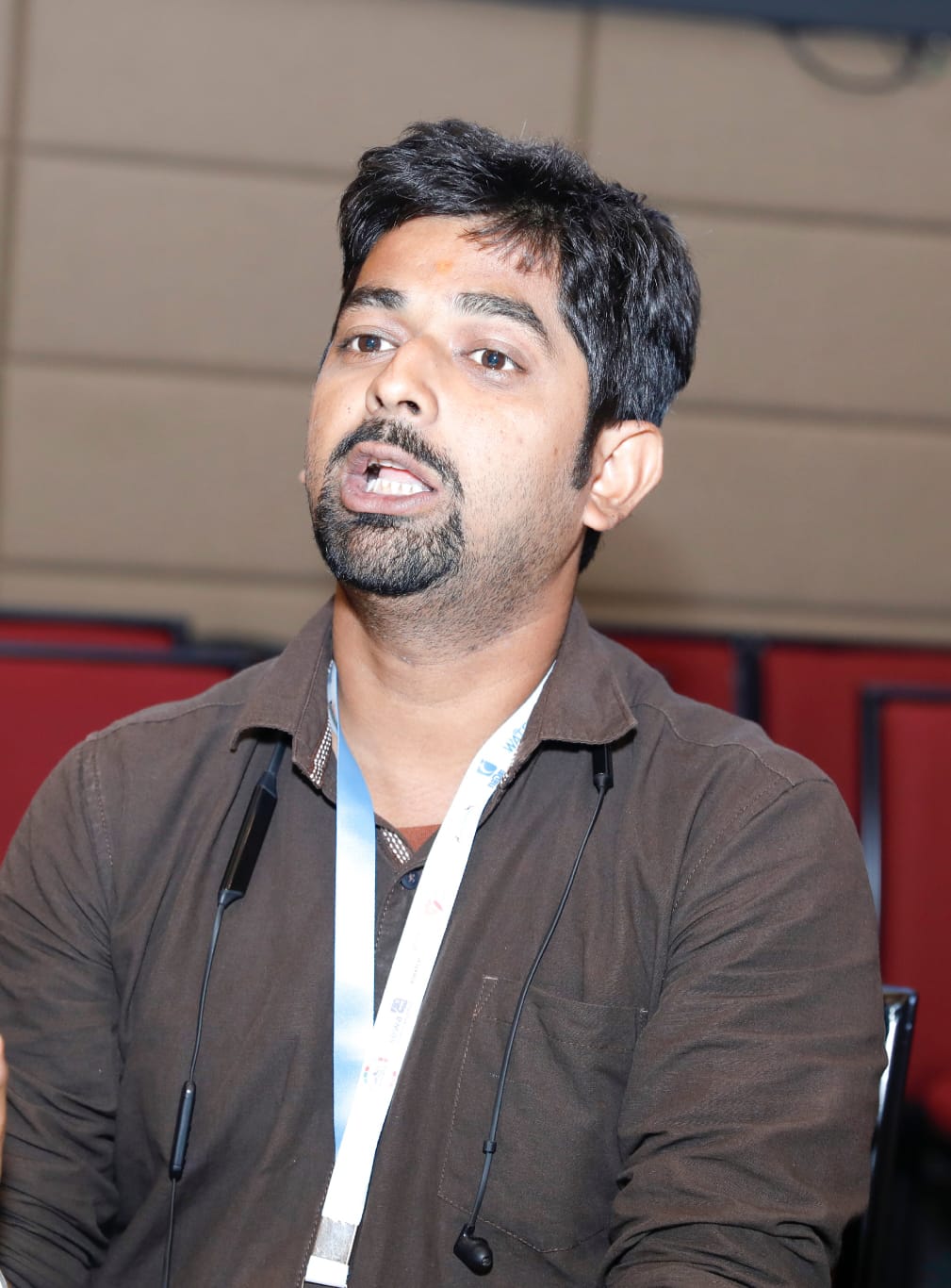
From rural producers to urban consumers, we have successfully connected our work to the Kolkata market, including collaborations with a major retail mall—an Founder’s Note.
Our journey began in 2024, from a small mess in Belgharia, with a simple yet unsettling question: what are we eating, how much are we extracting from nature, and why are we not planning to conserve or regenerate what sustains us?
What started as concern soon became action. Our first pilot, Babuijor Blues, took shape in the landscapes of Purulia, followed by the expansion of our Birbhum unit in June 2025. These were modest beginnings, but they carried a clear intention—to build a locally rooted, sustainable food and livelihood model that respects both people and the planet.
Our work spans both vegetarian and non-vegetarian domains, recognising the diverse food cultures of Eastern India.
In the vegetarian domain, we began with mushroom cultivation, using invasive water hyacinth as a key resource—transforming an ecological challenge into a regenerative input. Today, we conduct structured training programmes in collaboration with the Sri Aurobindo Society, Puducherry, supporting SHG women through water-efficient, low-cost, and ecologically mindful practices.
In the non-vegetarian domain, initiatives in rabbitry, duckery, and piggery have taken root in Tripura and Purulia, creating livelihood opportunities aligned with local ecosystems, traditional knowledge, and circular resource use.
From rural producers to urban consumers, we have successfully connected our work to the Kolkata market, including collaborations with a major retail mall—an important step in demonstrating that ethical, local food systems can also be economically viable.
At the heart of our work lies a shared belief:
that food is not merely consumption, but culture;
that conservation must be participatory, not imposed;
and that voluntary community action is the most powerful way to restore our environment and livelihoods.
By reclaiming neglected resources like invasive water hyacinth and reconnecting communities with their food systems, we believe local models such as ours can help Bengal and Eastern India rise again—reviving ecological balance, cultural memory, and collective pride.
This is only the starting line. The journey has just begun.
Building replicable models of sustainable living rooted in simple living, high thinking.
Join our subscribers list to get the latest news,
update specials offers and delivered directly in your inbox.

Copyright © 2026 | All Rights Reserved | Swapnankur Bharat Foundation